Skip to content
Block Wildin

A City Built on Pressure

A dark 1990s urban world shaped by movement, police pressure, street tension, and survival.

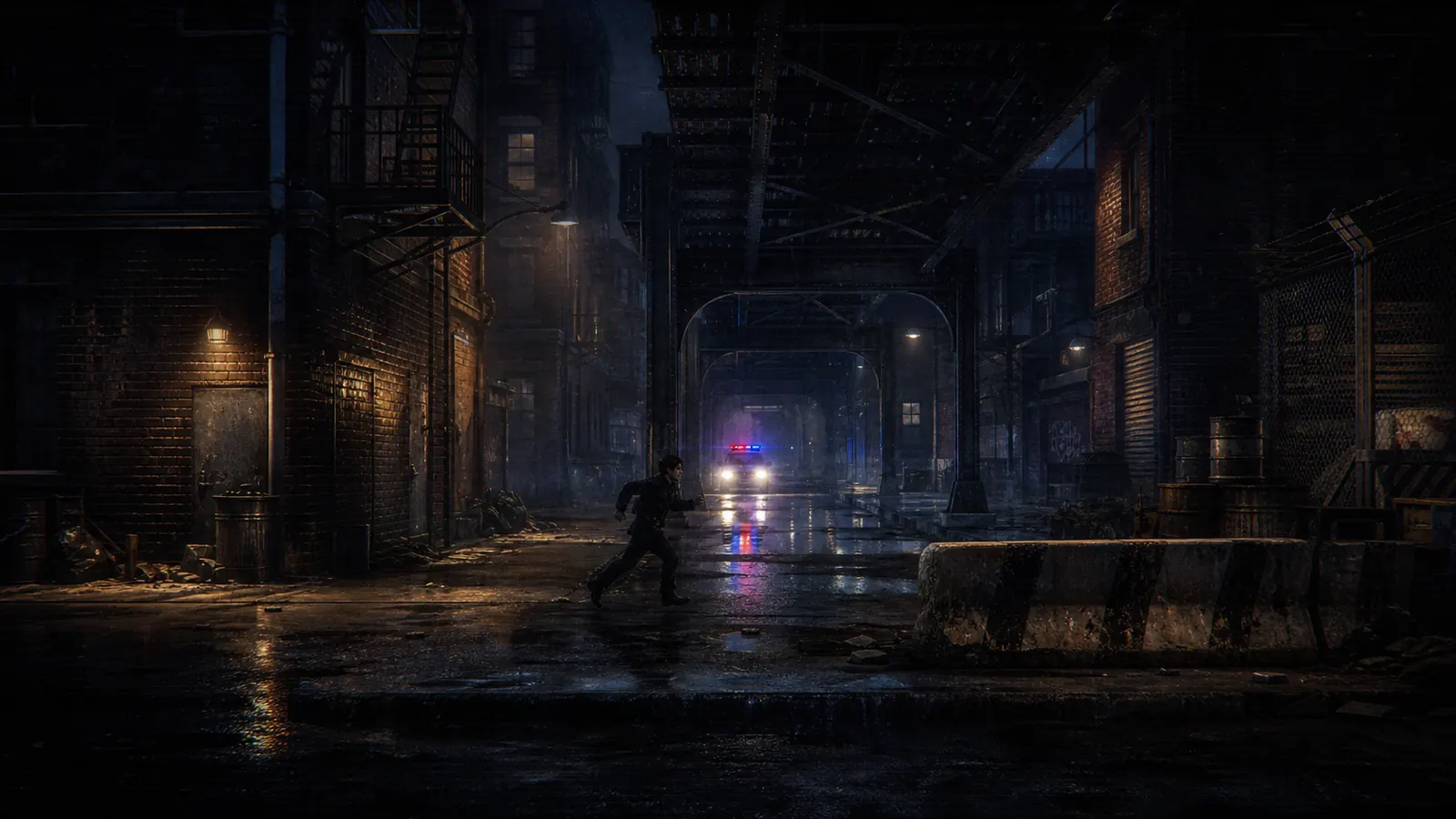
Cinematic story placeholder showing fog, concrete, old lights, and dark urban atmosphere

The story stays close to place, movement, and pressure rather than revealing the final plot.

A 1990s Urban Mood

The world is not clean, futuristic, or colorful. It is dirty, tense, loud, and alive at street level.

This is a fictional city with a 1990s-inspired urban identity. The page defines mood and direction, not a historically exact documentary.

Old city streets

Storefronts, curbs, narrow crossings, and worn sidewalks set the fictional city at street level.

Wet asphalt

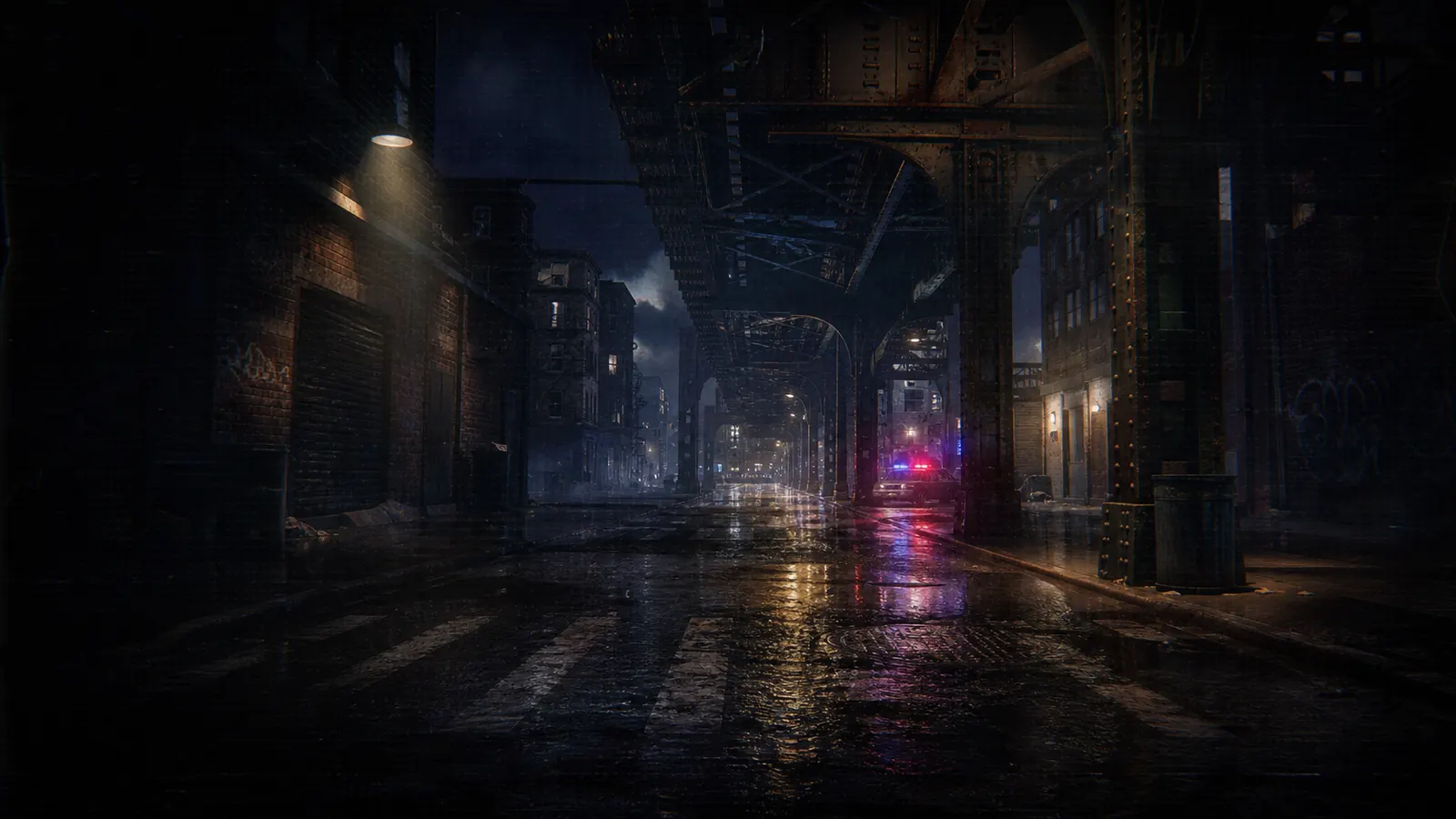
Reflections carry police red, signal blue, and sodium light across roads that never feel clean.

Concrete and brick

Concrete walls, brick buildings, fences, and cheap interiors keep the world grounded.

Analog texture

Flickering signs, VHS grain, night atmosphere, and under-tracks shadows add pressure without claiming historical accuracy.

The World

A side-view city where every block feels like a place you should not stay too long.

Streets

Wet roads, broken sidewalks, fences, old storefronts, rooftops, and alleys create the playable surface of the city.

Shadows

Under-tracks areas, back entrances, low-lit interiors, and dark corners carry most of the world's tension.

Pressure

Police presence, movement routes, obstacles, and hostile environments push the player forward.

Pressure Is the Core Feeling

The story is not only told through dialogue. It is felt through movement, timing, escape, and the city itself.

Chase tension, restricted routes, police presence, dangerous spaces, environmental obstacles, unclear safety, city noise, and visual storytelling all push the player forward.

Being Seen

The world should make the player feel watched, exposed, or noticed at the wrong time.

Being Chased

Movement becomes emotional when the player is forced to react instead of casually explore.

Being Cornered

Tight spaces, blocked paths, fences, interiors, and vertical routes create moments of danger.

Finding a Way Out

Escape routes, rooftops, alleys, and layered environments give the player a reason to keep moving.

Character Direction

The player character is grounded, human, and under pressure.

[MAIN CHARACTER] is a street-level person connected to the city, forced to move through pressure, and designed for side-view readability. The direction is survival and escape, not superhero power.

Grounded

The character should feel like a person moving through a dangerous city, not a fantasy superhero.

Pressured

The story direction is built around tension, consequence, and the need to keep moving.

Mobile

Animation, silhouette, and movement readability are central to the character's role in the game.

City Fragments

The world is built from playable fragments: streets, rooftops, alleys, interiors, and spaces under the tracks.

Street Blocks story location placeholder in the 1990s-inspired urban world
Street Blocks

Street Blocks

Sidewalks, storefronts, parked cars, fences, and wet roads create the base rhythm of the city.

Rooftops story location placeholder in the 1990s-inspired urban world
Rooftops

Rooftops

Higher routes, silhouettes, vents, water tanks, and night air create vertical tension.

Under Tracks story location placeholder in the 1990s-inspired urban world
Under Tracks

Under Tracks

Steel shadows, train noise, concrete, and moving lights create a heavy urban ceiling.

Back Alleys story location placeholder in the 1990s-inspired urban world
Back Alleys

Back Alleys

Trash bags, doors, fire escapes, cracked walls, and tight paths create danger at close range.

Interiors story location placeholder in the 1990s-inspired urban world
Interiors

Interiors

Small rooms, cheap light, narrow exits, and human-scale spaces slow the player down.

Industrial Corners story location placeholder in the 1990s-inspired urban world
Industrial Corners

Industrial Corners

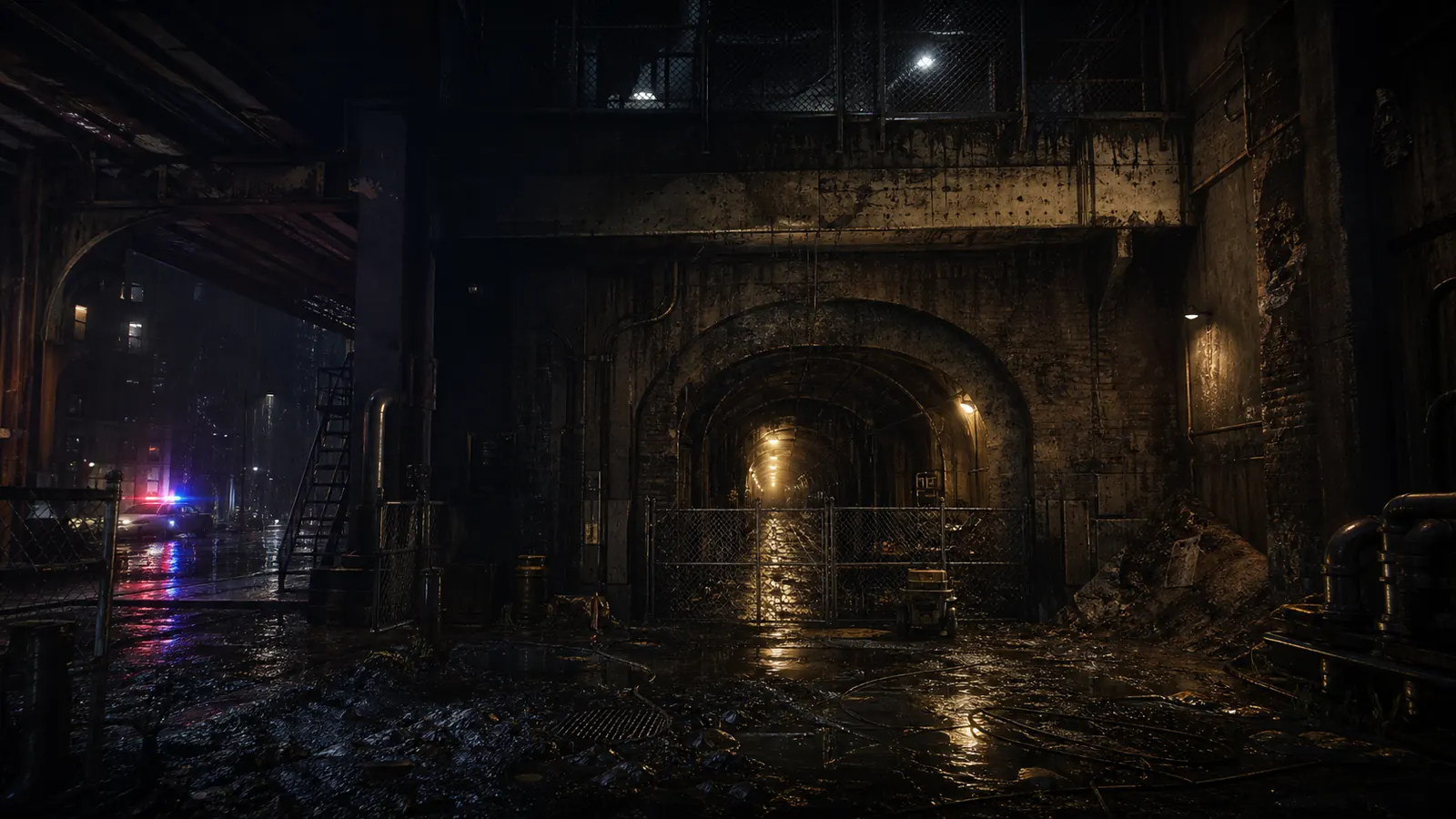
Metal, pipes, vents, warning signs, and hard surfaces create harsher spaces inside the city.

Story Told Through the City

The city should reveal history, conflict, and danger through what the player sees, not only through text.

PostersGraffitiBroken fencesPolice tapeOld signsLit windowsAbandoned interiorsWet streetsRooftop objectsTrash and debrisTrain shadowsSiren colors

Every Location Has History

Surfaces, damage, repairs, and discarded objects should imply what came before.

Every Object Supports Mood

Props should reinforce pressure, poverty, surveillance, escape, or survival.

Every Light Source Tells Direction

Street lamps, windows, sirens, and signs guide attention as much as they create atmosphere.

Every Background Layer Adds Pressure

Depth layers should make the city feel active, watched, and unsafe beyond the playable lane.

What Happened Here?

The full story is still being built, but the world already carries signs of conflict, pressure, and escape.

Before the Chase

The city feels unstable before the player understands why.

The Pressure Builds

Police presence, street tension, and blocked paths begin shaping the route forward.

Streets Close In

The environment becomes tighter, darker, and less safe.

Escape Routes Open

Rooftops, alleys, interiors, and under-track spaces create new ways through.

The City Reveals More

The player learns through places, objects, and movement.

Follow the World as It Grows

Read development notes, view new media, and follow the process as the city, story, and gameplay take shape.